
Introduction: Why ADAS Calibration Matters
Advanced driver assistance systems (ADAS) help you steer, brake and avoid hazards. Features like lane assist and autonomous emergency braking rely on precise camera and sensor data. After windscreen work or certain repairs, calibration restores accuracy so these systems can do their job.
At Advanced Autoglazing Ltd, we follow manufacturer procedures with ATA‑accredited technicians and calibrated equipment. We bring 30+ years of experience, fast response and a customer‑first approach. For a simple primer, see what ADAS is and how it’s calibrated.
What Is ADAS And When Does It Need Calibration?
Common ADAS hardware includes the front windscreen camera, forward radar, LiDAR units and ultrasonic sensors. These work together to support systems such as lane keeping, AEB, traffic sign recognition and adaptive cruise control.
Calibration is typically needed after a windscreen replacement, camera removal or refit, suspension or wheel alignment changes, collision damage, software updates, or even a battery disconnect on some models. Skipping it can lead to warning lights, erratic lane keeping and longer stopping distances. Learn more in what happens if ADAS is not calibrated and do I need to recalibrate my ADAS after a windscreen replacement.
Static Vs Dynamic ADAS Calibration At A Glance
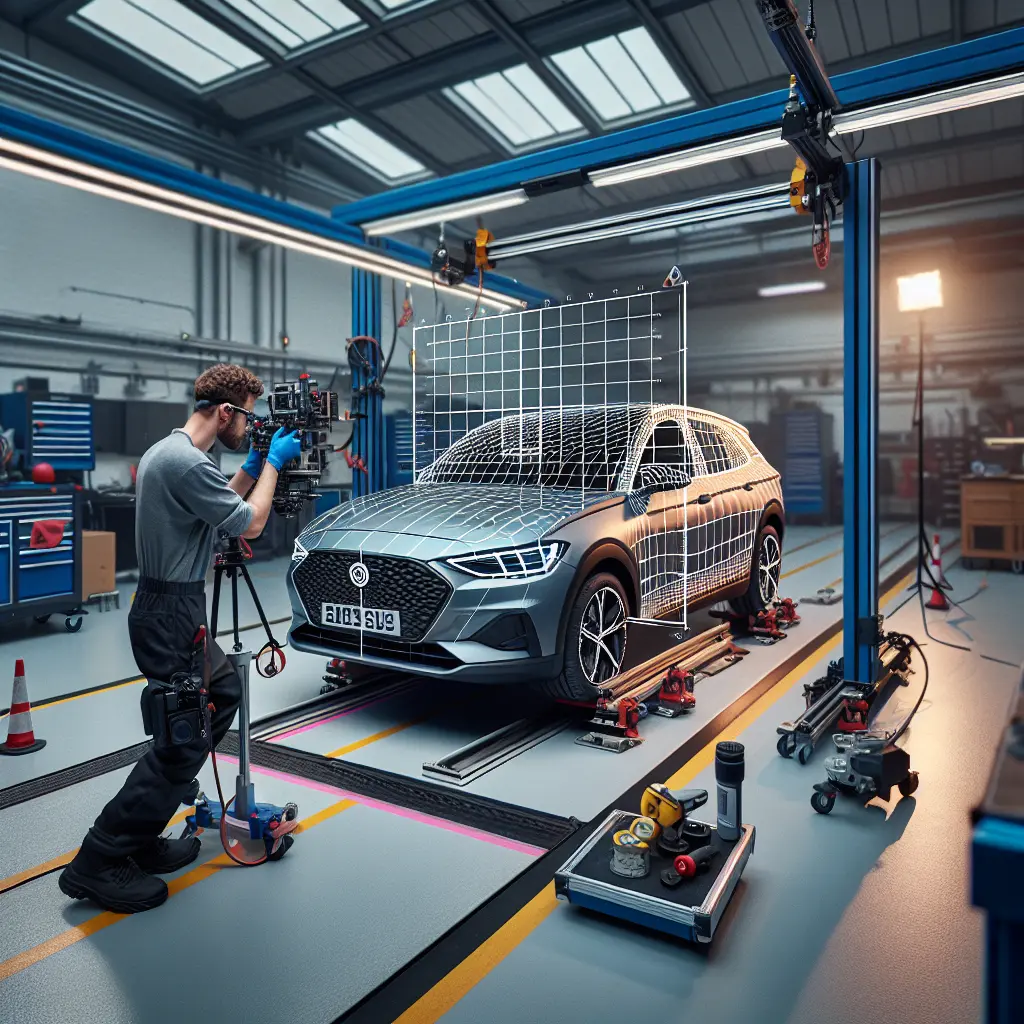
Static calibration is completed in a controlled workshop bay using OEM‑specified targets, precise measurements and level floors. It aligns sensors without moving the vehicle. Lighting and distances must meet the manufacturer’s tolerances.
Dynamic calibration is performed on the road with a diagnostic tool, following set speeds and road conditions so the system can learn and verify alignment. Some vehicles require both methods. We always use OEM service data—no guesswork. See our ADAS camera calibration service for more detail.
This image was generated with AI and may not always represent the product or service exactly.
When We Use Static Calibration
Static calibration is often required after windscreen replacement for forward‑facing cameras and for many front radar units. It’s also used when camera brackets, mounts or windscreens have been disturbed. The benefit is consistency—independent of weather or traffic.
We set your car on a level floor, position it precisely, use laser measures and OEM targets, control lighting, and stabilise the power supply. Typical workshop time ranges from around 45 to 120 minutes, depending on the vehicle. If your glass needs replacing first, see our windscreen replacement service.
When We Use Dynamic (Road) Calibration
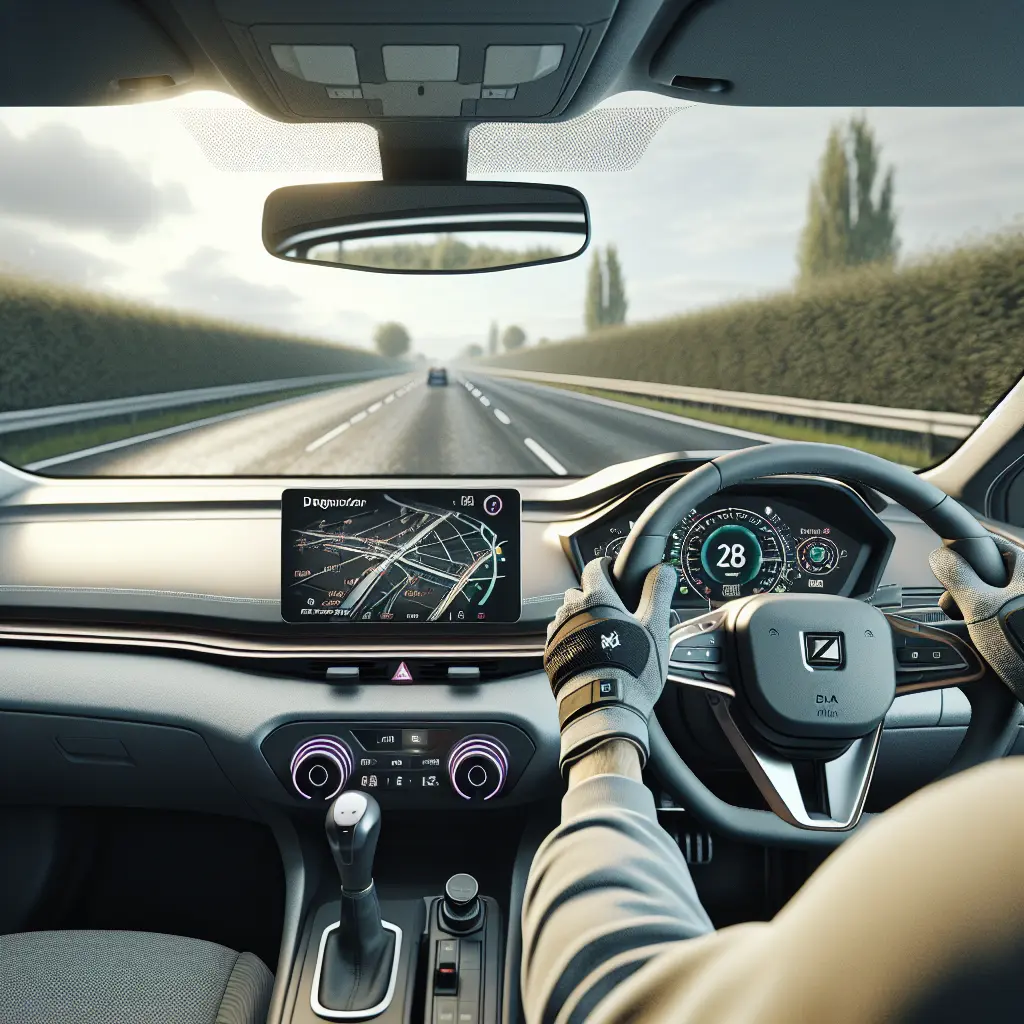
Dynamic calibration suits many camera‑based systems and some radar setups. It requires a road drive that meets the manufacturer’s profile—steady speeds, clear lane markings and stable conditions—while our diagnostic tool guides the process.
We plan routes to meet these requirements and avoid heavy traffic. Daylight and dry weather usually help. If conditions aren’t right, we will book a suitable slot or complete static calibration first, then a dynamic verification if required. For timings, see how long ADAS calibration takes.
How We Decide: Our Safety‑First Assessment
We start with a short conversation about recent work and symptoms. We then scan for fault codes, inspect the camera mount and bracket, and check wheel alignment data when relevant. Next, we consult the exact OEM procedure for your make and model.
From there, we’ll recommend static, dynamic or both, explain the steps, and agree timings and costs before any work begins. Our ATA‑accredited technicians work across major marques and never deviate from manufacturer guidance.
What To Expect On The Day
If we’re replacing your windscreen, we remove and refit using high‑grade Pilkington glass and Loctite adhesives. After the advised safe handling time, we perform the required static and/or dynamic calibration. We’ll keep you updated throughout.
For calibration only, we check your vehicle in, run diagnostic scans, complete the calibration, then road‑test if needed. Average visits vary by vehicle and method. You can wait in comfort, and we’ll provide a printed report and confirm your dashboard status before handover.
Standards, Equipment And Technician Credentials
Every calibration at Advanced Autoglazing Ltd is carried out by ATA‑accredited technicians using OEM data, approved targets and calibrated tools. We work in controlled bays with level floors and consistent lighting.
Where relevant, we verify wheel alignment and apply software updates. Your vehicle is checked, calibrated and rechecked. With 30+ years in glazing and ADAS, we focus on precision, safety and consistent results.
This image was generated with AI and may not always represent the product or service exactly.
Insurance, Costs And Honest Value
We can handle insurer approvals and direct billing where applicable, simplifying your claim. If you’re not claiming, we’ll give you a clear, itemised price before we start.
Costs depend on make and model, the sensors involved, and whether the OEM requires static, dynamic or both. We offer honest advice on repair vs replacement and provide a warranty on our workmanship.
Real‑World Scenarios We See
A small chip repaired in the driver’s view rarely needs calibration unless the camera or bracket has been disturbed. A full windscreen replacement usually does—often static and sometimes dynamic too.
After suspension work or wheel alignment, some models need checks or recalibration. For vans and fleets, we can coordinate scheduling to minimise downtime and keep vehicles safely on the road.
Straight Answers: ADAS Calibration FAQs
Most static calibrations take around 45–120 minutes. Dynamic road routines vary with traffic and conditions. We’ll give you a realistic window on booking.
It’s best not to rely on ADAS until calibration is complete. If a warning returns after wheel alignment, a battery disconnect or an update, come back in for a quick check and we’ll resolve it.
Ready To Book? Fast, Safe And Local
Advanced Autoglazing Ltd offers same‑day or next‑day availability where possible. Our ATA‑accredited team completes OEM‑grade calibration with clear reports and friendly service.
We cover Essex and surrounding areas. For a fixed, fast price, get a quote and we’ll book you in.
FAQs
Is Calibration Needed After A Chip Repair?
Usually not, unless the camera or bracket has been disturbed. We’ll inspect and advise if a check is sensible.
Can Weather Delay A Dynamic Calibration?
Yes. Dynamic routines need clear markings, good visibility and steady conditions. If not suitable, we will reschedule or use static first if the OEM allows.
Do You Calibrate Cameras On All Makes?
We work across major marques using OEM procedures and equipment. We’ll confirm your vehicle’s method at booking.
Will My Insurance Cover ADAS Calibration?
Many policies do when linked to a valid glass claim. We can help with approvals and billing.
How Will I Know It’s Been Calibrated Correctly?
You’ll get a printed report, clear dashboard status and our technician’s explanation. If issues appear later, book a quick recheck.
Can I Drive Before It’s Calibrated?
You can drive legally if the car is roadworthy, but don’t rely on ADAS until calibration is complete and confirmed.
What If A Warning Light Returns?
Contact us. We’ll scan, road‑test if needed, and correct any settings or component faults quickly.


