
Static Vs Dynamic ADAS Calibration: The Basics
Imagine you’ve just had a UK motorway shunt and your windscreen replaced the same day. You drive off assuming everything’s fine, but the lane‑keep assist nudges you at the wrong moment. In our experience, that scenario is common when ADAS (Advanced Driver Assistance Systems) aren’t calibrated correctly. This guide is for drivers, garage owners and fleet managers in the UK who need a clear, practical comparison of static and dynamic calibration. You’ll learn when each method is required, the pros and cons, and how Advanced Autoglazing Ltd approaches the work so you leave with systems you can trust.
How ADAS Cameras And Sensors Are Aligned
Systems such as Autonomous Emergency Braking (AEB), Lane Keep Assist (LKA), Traffic Sign Recognition (TSR) and Adaptive Cruise Control (ACC) all need precise alignment. A common issue we see is subtle misalignment after a screen change or steering repair, producing late or false warnings. Typical causes include windscreen replacement, camera or bracket removal, suspension work, wheel alignment, collision damage, software updates and battery disconnections. If you notice lane‑centring drift, false alerts or warning lights, the sensors likely need checking — see what happens if ADAS is not calibrated.
What Is Static ADAS Calibration?
Static calibration takes place in a controlled workshop. The car sits on a level floor while we mount manufacturer‑specified target boards, set measured distances with lasers and use digital tools to confirm angles. In our experience this method delivers the most repeatable accuracy because we remove environmental variables. Static is specified by many manufacturers and is ideal when consistency matters. Learn how we carry out the process at Advanced Autoglazing Ltd in our ADAS Camera Calibration page.
What Is Dynamic ADAS Calibration?
Dynamic calibration uses a road‑based learning routine. A diagnostic tool initiates a procedure while a technician drives set routes at specified speeds so the system can learn from lane markings, road signs and traffic. If your vehicle is designed for on‑road learning, dynamic works without physical targets. A downside we regularly encounter is aborted calibrations due to poor road markings, low light or heavy traffic; these conditions extend the time needed. Typical timings and factors that affect duration are covered in how long ADAS calibration takes.
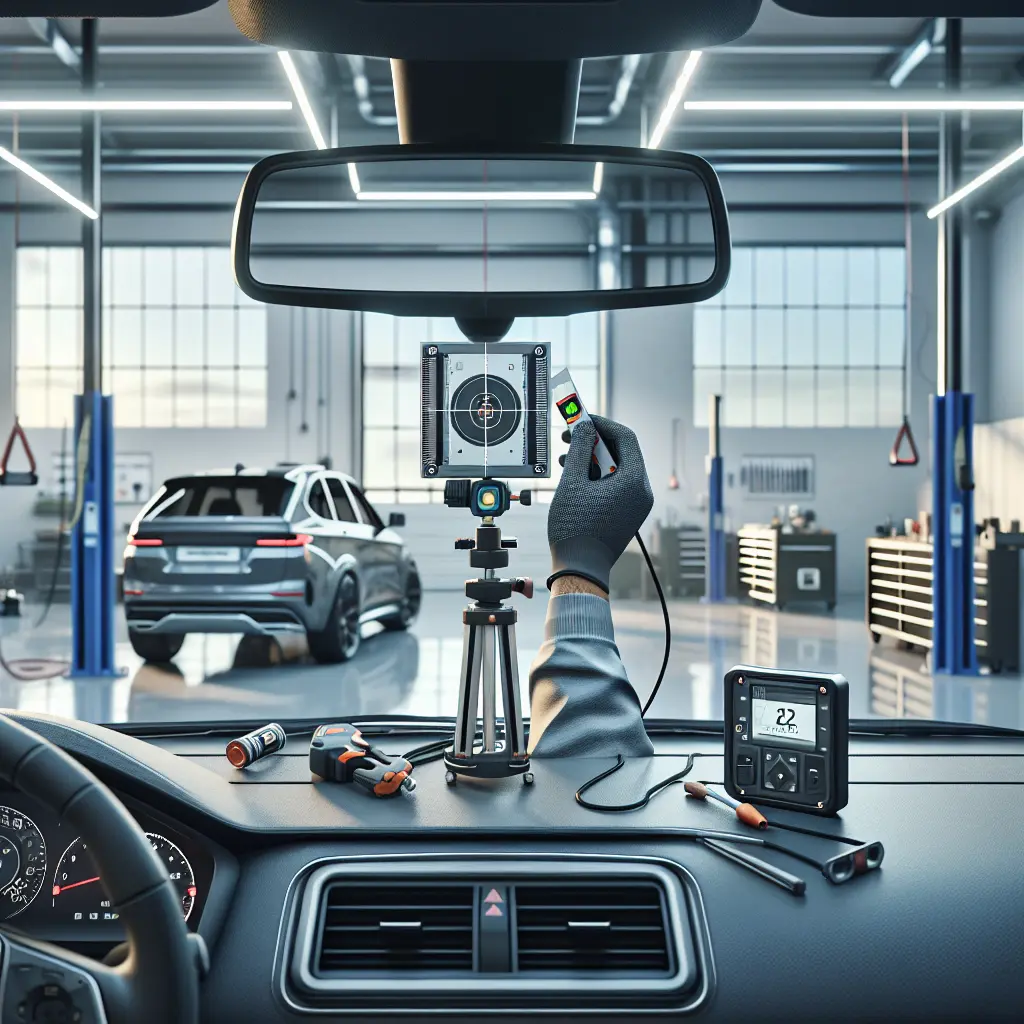
This image was generated with AI and may not always represent the product or service exactly.
Static Vs Dynamic: A Side‑By‑Side Guide
Static
- Method: Workshop targets, lasers and measured distances.
- Environment: Level floor, controlled lighting and no glare.
- Dependency: Unaffected by weather or traffic.
- Duration: Typically 45–120 minutes.
- Use: When the manufacturer specifies static or where precision is critical.
Dynamic
- Method: On‑road learning routine initiated by a scan tool.
- Environment: Needs clear markings, daylight and steady speeds.
- Dependency: Affected by traffic and weather.
- Duration: Road and condition dependent.
- Use: For models designed to learn from real‑world input.
Some vehicles require both methods. We always check OE procedures by VIN and recommend the manufacturer’s route. If you had a screen replaced, see do I need to recalibrate my ADAS if I replace my windscreen for specific guidance.
What Most People Get Wrong
Most people assume a quick diagnostic tool check is enough. In our experience, passing a scan does not replace proper calibration — the camera must see correct physical references or complete a validated learning routine.
When This Doesn’t Apply
If a vehicle has only ultrasonic parking sensors with no camera or radar, neither static nor dynamic camera calibration applies. Always check the handbook and the OE data by VIN.
Quick Checklist
- Check handbook and VIN OE instructions.
- Confirm static, dynamic or both before booking.
- Ensure correct tyre pressures and ride height for static work.
- Choose dry daylight routes for dynamic calibration.
Why Workshop Conditions Matter For Accuracy
Accuracy begins with the floor: it must be level with measured centre lines. Targets need exact heights and offsets, stable even lighting and no reflective glare. We prepare vehicles with correct tyre pressures, nominal fuel and an empty boot where required. Glass and bonding can change camera angles, so we use Pilkington glass and Loctite adhesives for OE‑grade fit and allow safe cure time before recalibration.
When Your Car Needs ADAS Calibration
Book calibration after any windscreen replacement, camera or bracket removal, suspension or steering repairs, wheel alignment, collision damage, software updates or if ADAS warning lights appear. If in doubt, consult your vehicle handbook or ask us — we include calibration after screen work as standard because safety comes first.
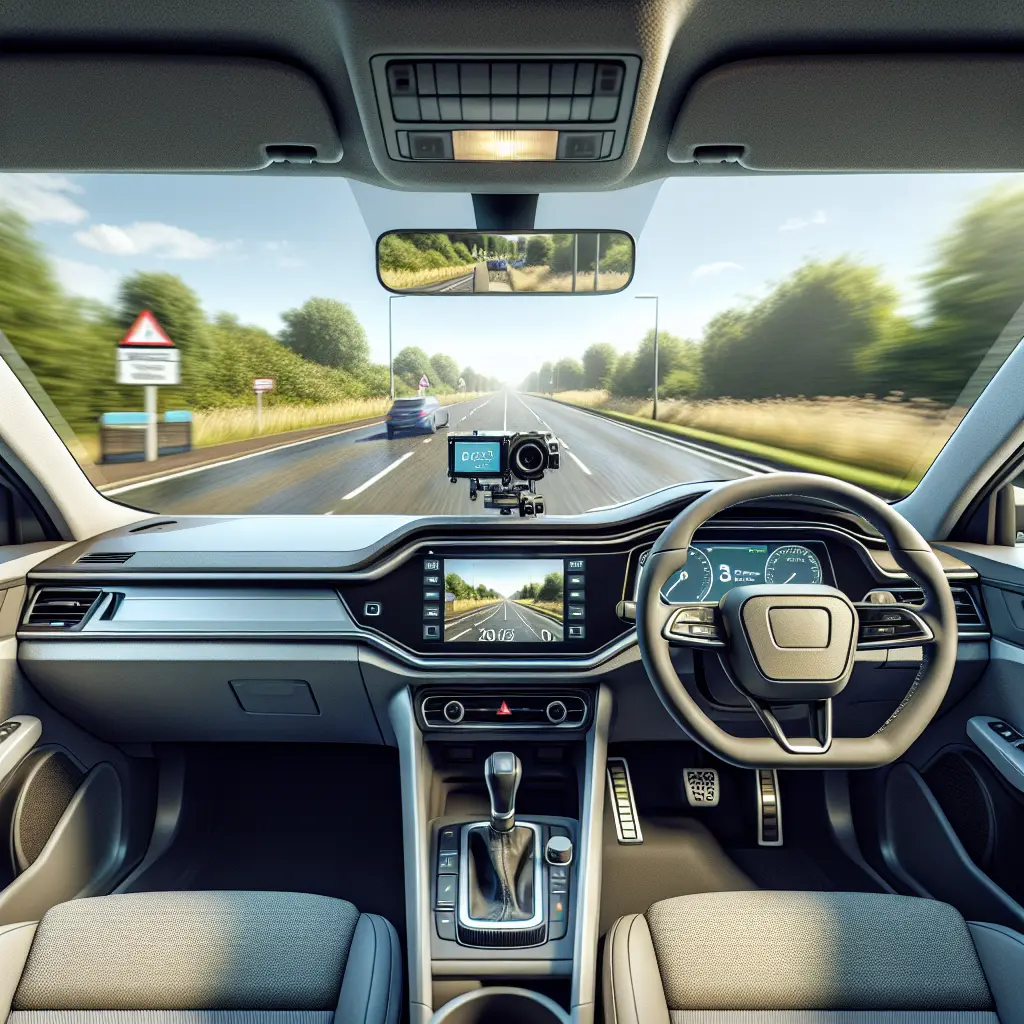
This image was generated with AI and may not always represent the product or service exactly.
What To Expect With Advanced Autoglazing Ltd
Booking is straightforward and we aim for same‑day or next‑day slots where possible. Before your appointment we check OE data by VIN to confirm the required method. On arrival we run setup checks, complete the calibration and verify results with a short road test. You’ll receive a printed calibration report for your records. We also support direct insurer billing for eligible glass claims — see our insurance billing information.
Costs, Time And Availability
Static work typically takes 45–120 minutes; dynamic time varies with road conditions. Vehicles needing both steps take longer. Price depends on method, sensor count, make and model, and whether it follows a windscreen replacement. Many insurers cover calibration after a glass claim; we provide clear quotes before work starts.
Common Questions
Can I drive before calibration?
We advise against it if AEB or LKA is fitted. Driving with uncalibrated systems increases risk because warnings, steering or braking may not operate correctly.
Mobile vs Workshop—Which Is Safer?
Mobile calibration can be suitable for some makes and situations. A controlled workshop provides the most consistent environment and highest repeatability; we’ll recommend the safer option for your vehicle.
Will calibration affect my warranty?
No. Following OE procedures with calibrated equipment protects both your warranty and the integrity of safety systems.
Further FAQs
How do I know which calibration my car needs?
We check manufacturer instructions by VIN to confirm whether static, dynamic or both are required and explain this when you book.
Do you need OE‑quality glass for accurate calibration?
Yes. Incorrect glass thickness or bracket position can change camera geometry. We use Pilkington glass for an OE‑grade fit where replacement is needed.
What happens if calibration doesn’t complete first time?
We diagnose the cause — setup error, environmental factor or vehicle issue — correct it and rerun the procedure until it passes and prints a report.
Is calibration needed after wheel alignment or suspension work?
Often yes. Ride height or geometry changes can shift sensor angles, so a recalibration check is recommended.
Can you calibrate in rain or low light?
Static calibration is unaffected by weather. Dynamic calibration needs clear markings and daylight, so we schedule accordingly to ensure accuracy.
Ready To Book? Safety‑First Calibration You Can Trust
If you need calibration now or after a windscreen replacement, we offer prompt slots, clear communication and ATA‑accredited technicians. Advanced Autoglazing Ltd follows OE procedures by VIN, uses OE‑grade materials and provides a printed calibration report. For friendly, no‑pressure advice and a prompt slot, get a quote today.


