Pilkington OEM Vs Aftermarket Windscreens: Key Differences
Imagine leaving a motorway service station after a heavy downpour and your lane‑keep starts to weave or a late AEB alert flashes on the dash. That’s the sort of problem we fix regularly. This article is for drivers, fleet managers and repairers in the UK with ADAS‑equipped cars who must decide between Pilkington OEM and generic aftermarket glass. In our experience, the right glass plus correct fitting and calibration prevents repeat visits and keeps systems reliable.
Read on to learn the specific optical, mounting and calibration risks to watch for, when OEM is worth the extra cost, and a short checklist you can use when booking a replacement at Advanced Autoglazing Ltd.
Your Windscreen Is Part Of The ADAS Sensor Path
The forward camera and some sensors look through or sit against the windscreen, so glass properties change what the sensor sees. PVB interlayers, acoustic layers, tints and heated elements all alter light transmission and refraction. A common issue we see is reduced contrast at night or in rain after a low‑quality replacement.
If you want a technical refresher on how these systems work and why glass matters, see our guide to what ADAS is and how it’s calibrated. If you’re in a fleet role, note that small optical changes affect many miles of driving, not just a single trip.
Optical Quality: Distortion, Wedge And Light Transmission
Optical wedge is the tiny angle between inner and outer surfaces. Even a fraction of a degree can displace lane markings in the camera’s view. Surface waviness, edge distortion and ghosting create double images or polarisation artefacts that reduce detection confidence.
Pilkington controls these tolerances more tightly than baseline ECE R43 rules. In practice that means cleaner images, steadier lane‑keep and fewer false alerts. If your lane‑keep starts “hunting” or the system cancels, poor optics are often the cause.
This image was generated with AI and may not always represent the product or service exactly.
Sensor Brackets, Gel Pads And Mounting Accuracy
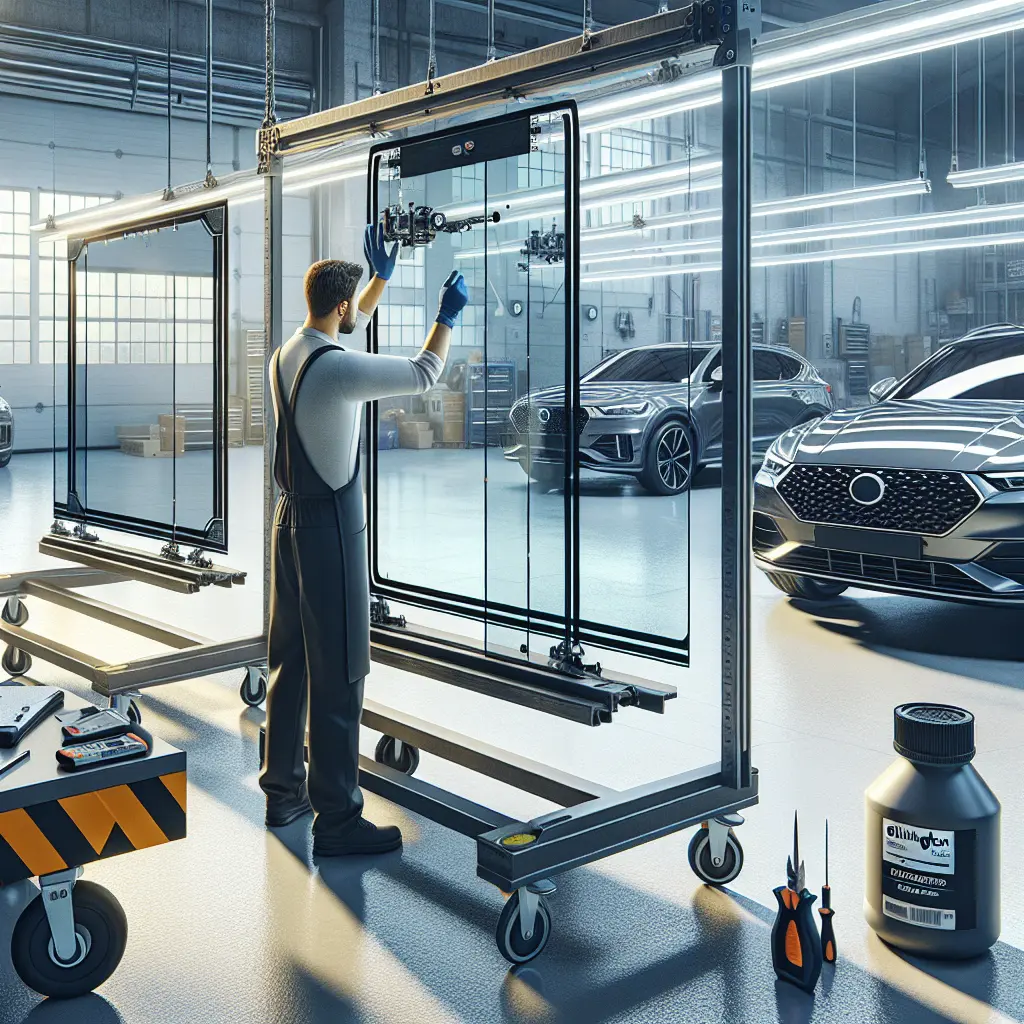
The camera bracket must sit in the exact position and angle. A slight moulding variance or an uneven adhesive pad can tilt the camera. Rain‑sensor gel pads must couple to the glass without air gaps; heaters and shrouds need correct placement to avoid glare. Aftermarket brackets can appear identical yet sit a fraction off.
At Advanced Autoglazing Ltd we use manufacturer‑approved brackets, fresh gel pads and OE‑spec adhesives, then confirm alignment with our ADAS camera calibration procedures.
Manufacturing Tolerances That Change Calibration
Glass curvature, thickness and interlayer uniformity alter how light bends through the screen. The edge fit in the body aperture also affects final windscreen position. These small variations add up and can shift the camera’s field of view enough to change where targets appear.
Because of that tolerance “stack‑up”, any windscreen replacement touching the camera or bracket needs a calibration to restore reference angles. Skipping calibration leaves the system guessing — see do I need to recalibrate my ADAS if I replace my windscreen? for guidance.
What Most People Get Wrong
Most assume legal safety standards alone guarantee ADAS performance. ECE R43 covers crash safety, not the tighter optical and bracket tolerances modern cameras require. A compliant pane can still degrade ADAS.
Real‑World ADAS Impacts: Lane‑Keep And Emergency Braking
On motorways you may feel subtle weaving as the car hunts for lane edges. In town, AEB warnings can increase or trigger late, and sign recognition may misread limits after wet weather. These symptoms frequently trace back to degraded optics or a slightly misaligned camera.
Choosing Pilkington OEM preserves the clarity and geometry your vehicle was designed for. Combined with correct fitting and calibration, it helps the car steer, brake and warn consistently. That’s the outcome we prioritise: calm, predictable assistance that reduces driver stress.
Calibration Done Right After Replacement
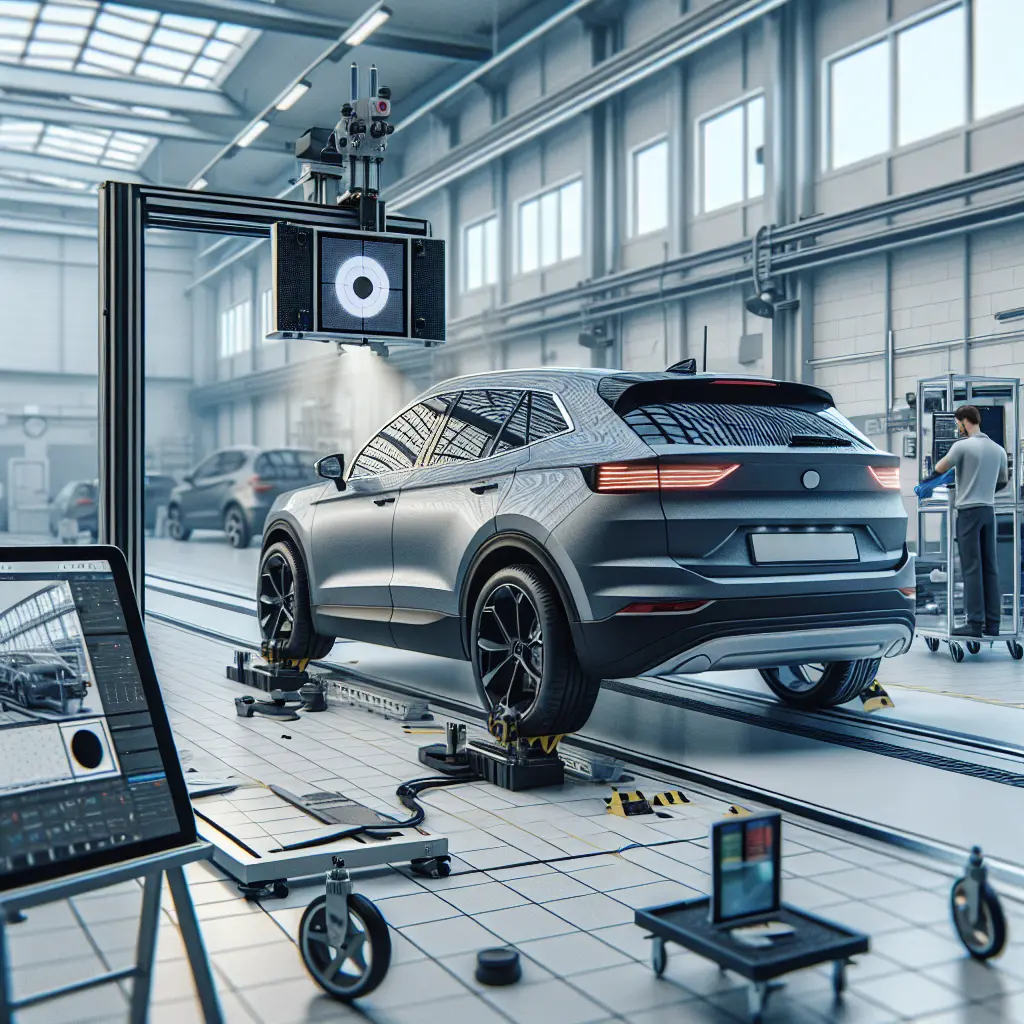
Our ATA‑accredited process begins with a pre‑scan and OE procedure check. We use static targets in our workshop or a controlled mobile setup when appropriate, then complete a dynamic verification drive and deliver a report showing final readings and any cleared faults.
Most jobs finish same‑day or next‑day, depending on adhesive cure times and conditions. Your advisor will set clear expectations at booking — for typical timings see how long ADAS calibration takes.
This image was generated with AI and may not always represent the product or service exactly.
Cost, Insurance And Honest Value
Many insurers accept Pilkington OEM for ADAS vehicles. Advanced Autoglazing Ltd can manage approvals and bill insurers directly where policies allow. We itemise glass, adhesives and calibration so you see the full cost.
High‑quality aftermarket glass can be acceptable for non‑ADAS side glass or older vehicles. For ADAS‑critical windscreens, however, OEM protects system performance and can save time and safety risks in the long run. Read about how we handle claims on our insurance billing for automotive glazing page.
Our Recommendation And What To Expect
For ADAS‑equipped vehicles we recommend Pilkington OEM or OE‑equivalent glass, fitted with OE‑spec consumables and calibrated to manufacturer procedure. In our experience that combination gives the most reliable result.
On the day we confirm the correct windscreen by VIN, dry‑fit to verify tolerances, bond with the appropriate cure time, then calibrate and road‑test. Ready to proceed? Start with a quick get a quote and we’ll advise on workshop or mobile options.
When This Doesn’t Apply
If your car has no forward camera or ADAS functions tied to the windscreen, or if the vehicle is historically exempt from modern ADAS (early models), then high‑tolerance OEM glass is less critical and good aftermarket panels can be acceptable.
Quick Checklist
- Confirm vehicle has forward camera or ADAS affected by windscreen
- Ask for OEM/OE‑equivalent Pilkington glass for ADAS windscreens
- Use manufacturer‑approved bracket, gel pad and adhesive
- Book ADAS calibration immediately after fitting
- Request a calibration report and cleared‑fault confirmation
FAQs
How Do I Know If My Car Needs OEM Glass?
Check the owner’s manual or service data for ADAS systems that reference the windscreen camera. If the forward camera, lane‑keep or AEB depend on the windscreen view, OEM or OE‑equivalent glass is recommended.
Is Calibration Legally Required After A Windscreen Replacement?
Legal requirements vary by vehicle and situation, but manufacturer guidance often mandates calibration when the camera or bracket has been disturbed. From a safety and insurance perspective, having calibration documented is strongly advisable.
Can I Use My Insurance For An OEM Replacement?
Often yes. Advanced Autoglazing Ltd works with many insurers and can handle approvals and direct billing where policies permit. We advise confirming cover levels before booking.
What If My Lane‑Keep Feels Different After A Repair?
Contact your fitter to confirm glass spec, bracket fit and whether calibration was completed. In many cases a follow‑up calibration or replacement with an OE‑equivalent screen resolves the issue.
Do You Offer Mobile Fitting And Calibration?
We provide controlled mobile setups for suitable jobs and full workshop calibrations for static procedures. Your booking advisor will recommend the safest option for your vehicle and location.


