Why ADAS Calibration Matters
Picture this: you’ve just had a windscreen replaced and, on the drive home, the lane-keep warning appears and the auto high beam behaves erratically. If you’re a motorist, fleet manager or workshop in the UK, that scenario is exactly why calibration matters. In this article we explain what breaks, when recalibration is essential, and what to expect from a professional service so you can decide the right next step.
Understanding ADAS Components And Calibration
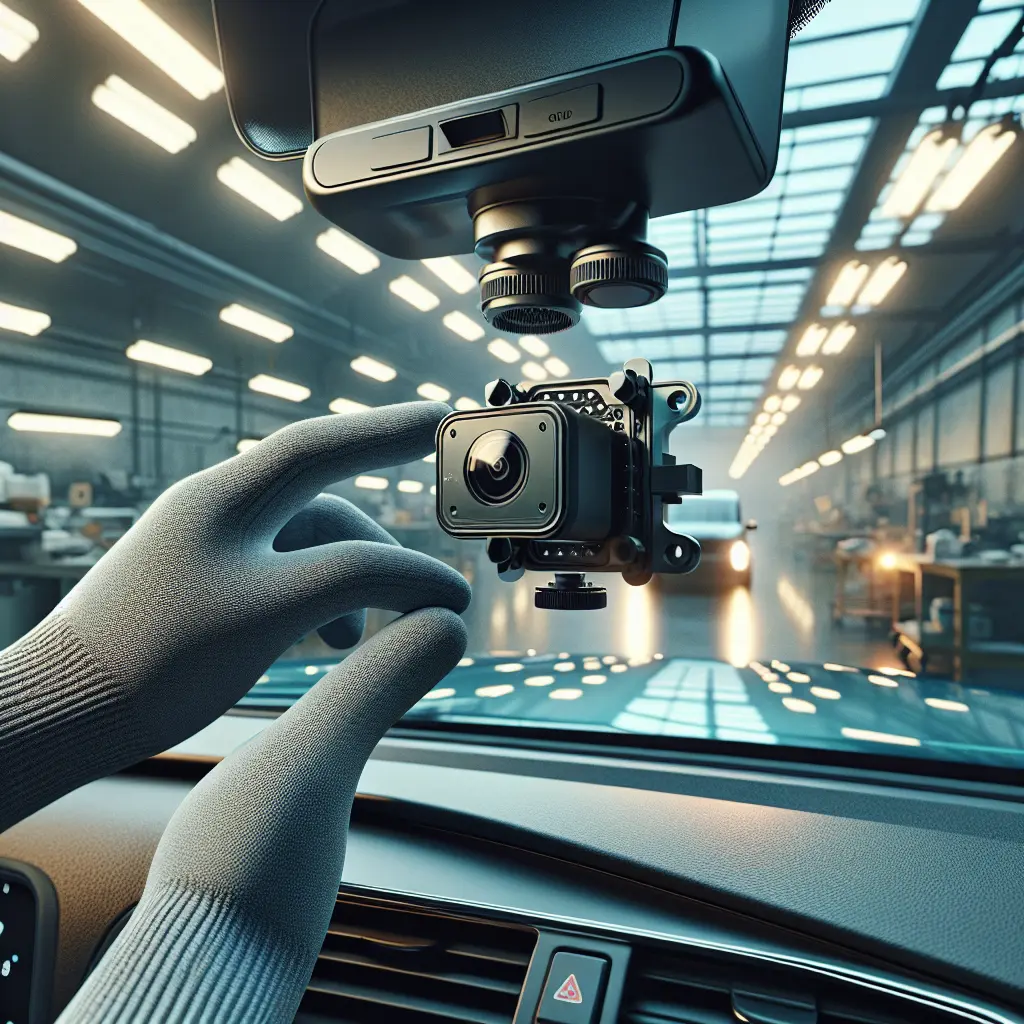
Advanced driver-assistance systems (ADAS) rely on cameras, radar and ultrasonic sensors to perform lane-keep assistance, automatic emergency braking (AEB), adaptive cruise control (ACC) and more. The windscreen camera controls lane-keep, sign recognition and auto high beam; front radar manages ACC and AEB. In our experience, even a millimetre shift from a windscreen replacement or suspension work changes the sensor view and triggers warnings. Calibration restores the factory reference so systems behave as designed. Read more on what ADAS is and how it’s calibrated and how screens affect tests in your MOT and your windscreen.
Real Warning Lights After Windscreen Work
A common issue we see is dash warnings immediately after a windscreen change because the camera mount shifts with the glass. At Advanced Autoglazing Ltd we fit Pilkington glass and use Loctite adhesives to preserve correct optics and bond strength before calibration.
- “Front Camera Calibration Required”
- “Lane Assist Unavailable”
- “AEB Limited”
- “Traffic Sign Recognition Inactive”
- “Auto High Beam Fault”
On the road watch for late or early lane nudges, false collision warnings, missed speed signs or glare from high beams. If warnings persist or the car feels unpredictable, arrange calibration before longer journeys. See whether you need recalibration after a replacement and what happens if ADAS is not calibrated.
Faults After Wheel Alignment Or Suspension Changes
Tracking, control-arm work, new springs or dampers, and lowering or lifting alter ride height and the thrust line. That changes where cameras and radar point, so the vehicle may limit ACC or AEB. A steering angle sensor reset is often required. If you’ve had geometry work, arrange calibration straight after — check how long ADAS calibration takes and what can extend the time.
This image was generated with AI and may not always represent the product or service exactly.
What Most People Get Wrong
Most drivers assume a warning light is a minor electrical fault. In our experience the majority of these alerts follow physical changes to the vehicle’s glass or geometry and need precise mechanical recalibration, not just a reset of codes.
When This Doesn’t Apply
If your vehicle has no camera or radar on the windscreen and has not had geometry or suspension work, recalibration is unlikely to be needed. Older models without ADAS features won’t require these procedures.
Quick Checklist
- Confirm the vehicle had windscreen, suspension or alignment work.
- Photograph dashboard warnings and note when they first appeared.
- Bring insurer details if the work stems from a claim.
Static Vs Dynamic Calibration Explained
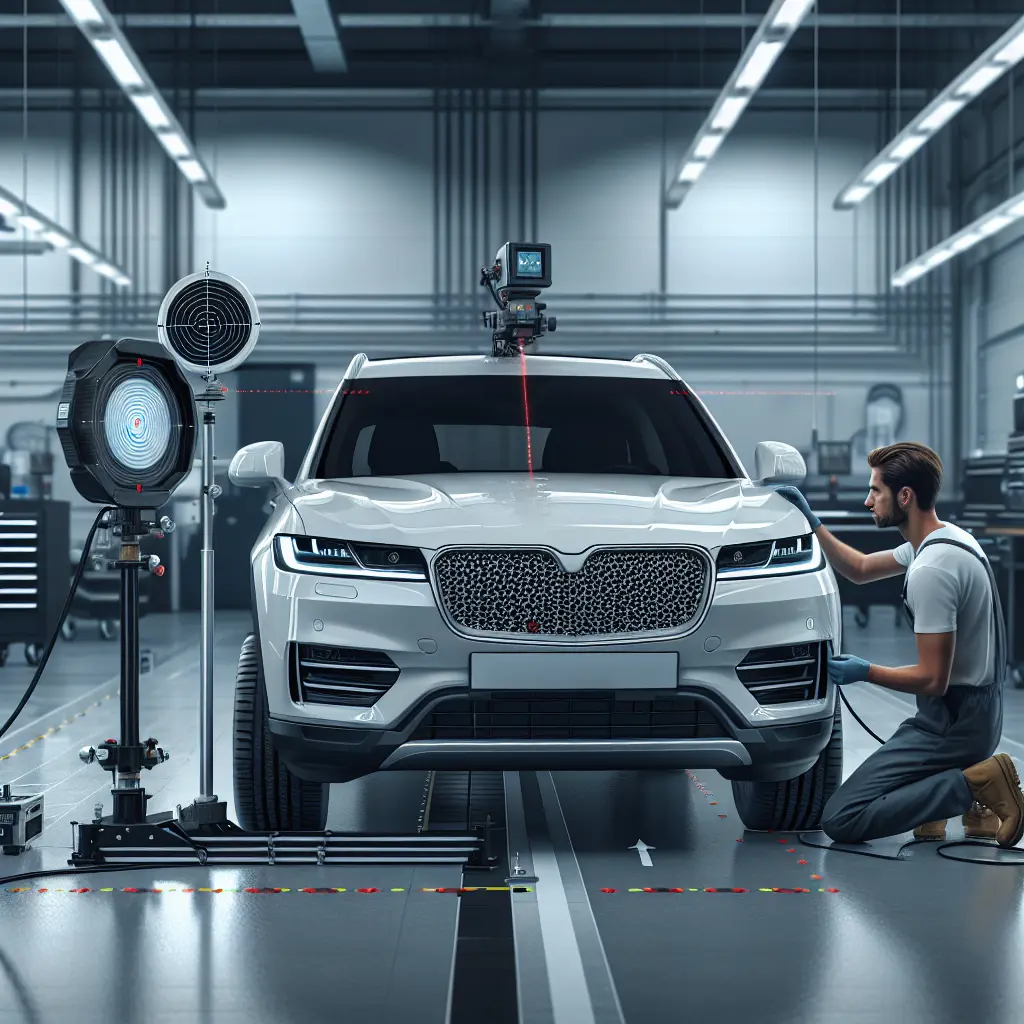
Static calibration uses targets, lasers and a level, well-lit workshop to set the camera reference. Dynamic calibration is a controlled road drive at set speeds so the system re-learns from road markings and signs. Some makes require both steps. See our ADAS camera calibration service guide for model-specific requirements.
Common ADAS Faults We Fix By System
Camera-based faults include wandering lane-keep, incorrect sign reads and auto high beam issues — all signs of a displaced camera reference. Radar faults produce “ACC Unavailable”, harsh or late braking, or false forward-collision alerts. Surround and parking systems can show misaligned 360° views or parking distance errors. We recalibrate to manufacturer tolerances and road-test to confirm functions perform as intended.
Our ATA‑Accredited Calibration Process
We start with a full pre-scan and inspect the camera mount, brackets and trims. We confirm Pilkington glass specification and allow Loctite cure time where required. Targets are positioned to OEM data using lasers and calibrated measuring rigs. We complete static calibration, add a dynamic drive when the model requires it, run a post-scan and issue a calibration certificate. In our experience this workflow prevents repeat visits and ensures reliable assist behaviour. Advanced Autoglazing Ltd operates with ATA-accredited technicians and aims for same-day or next-day slots where possible.
Insurance And Costs: Simple And Transparent
Many insurers cover ADAS calibration when linked to a windscreen claim. We support direct billing and explain any excess. Prices depend on make and model, camera or radar type, and whether static and dynamic steps are needed. Bring your policy details and photos of dashboard warnings so we can advise clearly. For insurer processes see insurance billing for automotive glazing.
This image was generated with AI and may not always represent the product or service exactly.
Prepare For Calibration: What To Do Before And On The Day
A little preparation speeds the job and reduces delays, especially for dynamic drives:
- Clean the windscreen inside and out.
- Set correct tyre pressures.
- Remove roof boxes or bike racks.
- Bring enough fuel for road tests.
- Empty heavy loads from the boot and ensure the 12V battery is charged.
Allow the advised time. Weather affects dynamic procedures and we’ll reschedule if visibility or road markings are unsuitable. Aftercare is simple: keep the certificate, check driver-assist settings, and contact us if any warnings reappear.
Quick Answers To Common Questions
We fit Pilkington glass because OEM-spec optics give the camera a true, undistorted view, which helps calibration lock in cleanly. Chip repairs rarely need calibration unless the camera was disturbed; full replacements usually do. We support cars, vans and fleets and can advise on modified vehicles where ride height or geometry has changed.
Book With Confidence
Stay safe and keep your driver-assist features working as intended. Advanced Autoglazing Ltd provides precise calibration, OEM-spec Pilkington glass, trusted Loctite bonds and clear pricing. Call our team for practical advice or to arrange a same-day or next-day appointment.
FAQs
How Long Does ADAS Calibration Take?
Most jobs take 45–120 minutes. Allow longer if both static and dynamic steps are required or if weather delays road tests.
Can You Calibrate In Poor Weather Or At Night?
Static calibration is performed indoors and is unaffected by weather. Dynamic drives need good visibility and clear road markings; we will reschedule if conditions are unsuitable.
Is Wheel Alignment Included?
We check alignment baseline as part of the pre-inspection and will advise if a full adjustment is needed. If so, alignment is completed before calibration to ensure accuracy.
Can I Drive With ADAS Warning Lights On?
You can usually drive, but assist features may be limited or disabled. Avoid long journeys until the issue is resolved and book calibration promptly.
Do You Calibrate Non‑OEM Glass?
We install Pilkington OEM-spec glass for correct optics. Non‑OEM glass can distort the camera view and make reliable calibration difficult.
Do You Handle Vans And Fleets?
Yes. We calibrate cars, vans and LCVs, provide certificates and offer flexible scheduling for fleet needs.


