ADAS Calibration After Windscreen Work: Why It Matters
Imagine driving home after a windscreen replacement and the AEB light comes on at the same time the lane‑keep nudges the steering — that’s a real safety risk. This guide is for UK drivers, fleet managers and repair advisers who need to know when ADAS must be recalibrated, how the process works, and what to expect from a trusted supplier.
In our experience at Advanced Autoglazing Ltd, even small changes to camera or radar position alter system performance. Read on for a clear checklist, common pitfalls, and links to our detailed pages on what ADAS is, when recalibration is needed, and how we carry out camera calibration.
Static Vs Dynamic ADAS Calibration: Which Your Car Needs
Static calibration is performed in a level bay using precision target boards and radar reflectors to manufacturer tolerances. Dynamic calibration is a road‑based procedure that validates system behaviour at set speeds and with clear road markings. Some makes require both.
A common issue we see is technicians skipping a static step because the dynamic road check passed superficially; that can leave systems marginally out of tolerance. We document pre‑ and post‑scan results and recommend the method that matches the vehicle maker’s service data.
- Tyre pressures and ride height within spec
- Clean, correctly bracketed windscreen and camera area
- Battery support to maintain stable voltage
- Pre‑ and post‑calibration diagnostic scans
More on our approach to ADAS camera calibration is here: ADAS camera calibration.
BMW ADAS Calibration Essentials
BMW systems such as KAFAS front camera, Driving Assistant and Adaptive Cruise commonly need static calibration after windscreen work, with a dynamic validation on some models. We fit OEM‑spec glass, align static targets using laser measurement and validate on‑road when required.
If you’re in the UK and own a BMW, bring any known driver‑assist options when you book. We pre‑scan, fit Pilkington glass with Loctite adhesives, and issue a calibration certificate and fault‑free report. See our BMW coverage for specifics: BMW.
Mercedes‑Benz ADAS Calibration Essentials
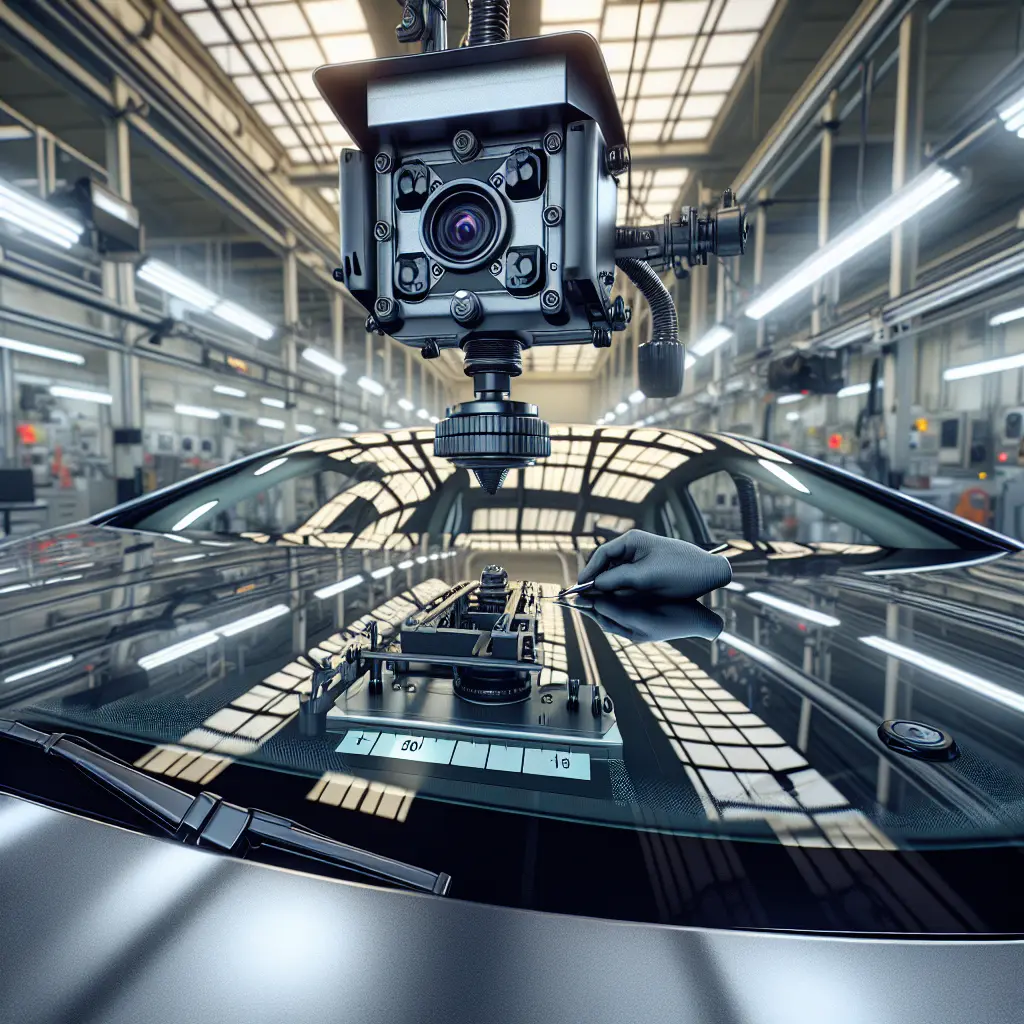
Mercedes systems such as Active Brake Assist, Active Lane Keeping and Distronic often demand precise static target setups and laser‑centred radar alignment on a level floor. Procedures vary by model and year.
We follow manufacturer data: pre‑scan, static calibration in our controlled bay, then dynamic checks where required. Documentation and printed results are provided. More on our Mercedes‑Benz work here: Mercedes‑Benz.
This image was generated with AI and may not always represent the product or service exactly.
Ford ADAS Calibration Essentials
Ford Co‑Pilot360 features (Pre‑Collision Assist, Lane Keeping, Adaptive Cruise) may need dynamic calibration; newer platforms can require a static setup first. Before your appointment, please clean the camera area, set tyre pressures and ensure the car has fuel for any road checks.
- Clean the windscreen and camera area
- Set tyre pressures correctly
- Bring enough fuel for a test drive
- Enable driver‑assist features in the menu
Typical on‑bay times range from 45 to 120 minutes once adhesive cure is complete. We confirm times at booking and advise whether same‑day completion is realistic.
VAG (Audi, VW, SEAT, Škoda) ADAS Calibration Essentials
VAG platforms commonly specify static target calibration for Front Assist, Lane Assist and Traffic Sign Recognition. Target height, distance and centring on a level floor are critical; a short dynamic confirmation drive may follow.
Popular models such as the Audi A3 or VW Golf typically take 60–120 minutes depending on procedure and cure time. We follow factory data and record everything to support insurance and safety checks.
Our Equipment, Materials And Accreditation
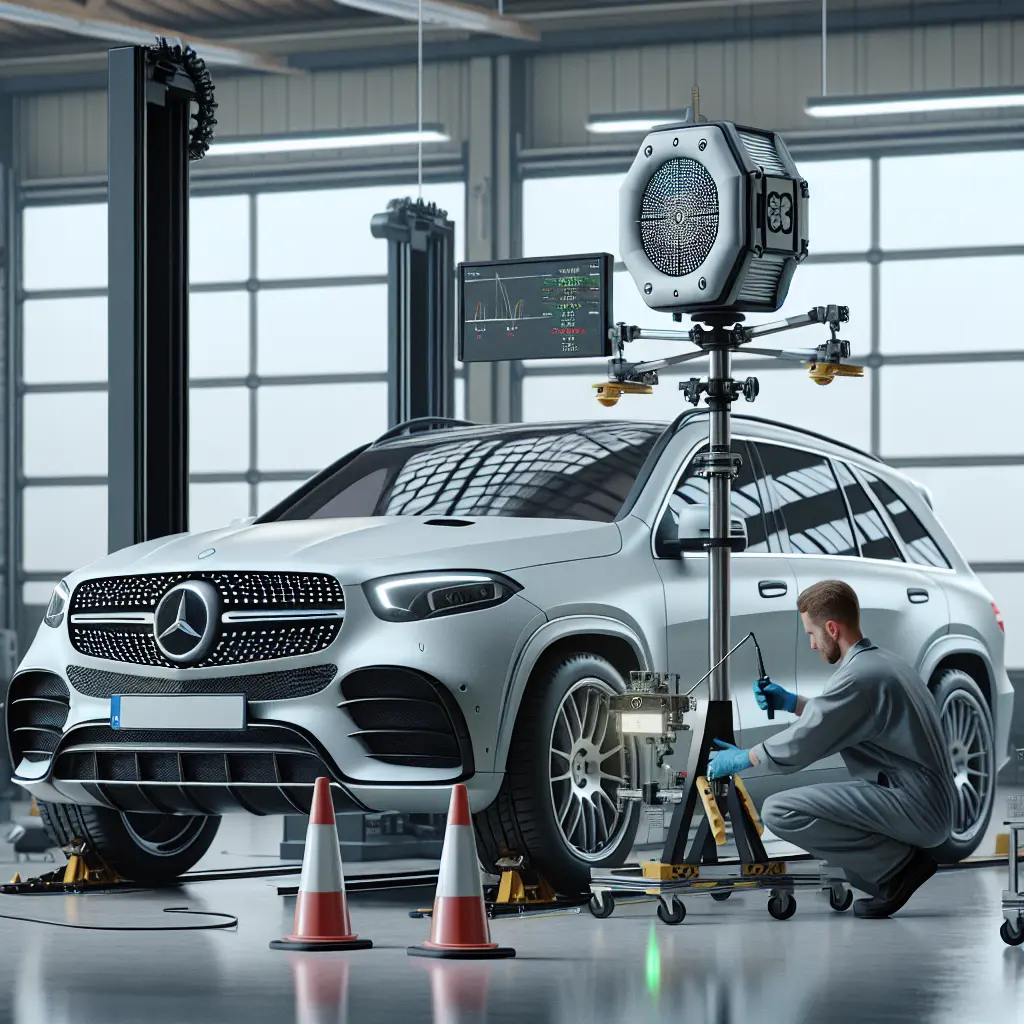
We use a digital ADAS rig with laser alignment, OEM‑spec target sets and radar reflectors. Battery support stabilises voltage during scans and calibration. Every technician at Advanced Autoglazing Ltd is ATA‑accredited and our team brings extensive glazing experience.
We fit Pilkington glass for optical clarity and bracket accuracy and use Loctite adhesives for correct cure and structural strength. You receive a calibration certificate plus before/after scan reports.
This image was generated with AI and may not always represent the product or service exactly.
What To Expect On The Day
Arrive with the keys, any known ADAS options and a clean windscreen. We perform a pre‑scan, fit the replacement glass, allow the advised cure time, then complete static and/or dynamic calibration and a post‑scan. We hand over printed results and a calibration certificate.
A small number of dynamic‑only jobs can be done mobile if road conditions suit, but for absolute accuracy most work is best completed in our controlled centre.
What Most People Get Wrong
Most people assume a light going out after driving proves the job was correct. In our experience, only a documented post‑scan and calibration certificate prove systems are within manufacturer tolerance — not a temporary self‑test.
When This Doesn’t Apply
If your vehicle has no camera or radar mounted to the windscreen, or the repair was cosmetic away from sensor zones, full ADAS calibration may not be required. We confirm this with a pre‑scan before charging for unnecessary procedures.
Quick Checklist
- Bring reg, make/model/year and list of driver‑assist features
- Clean camera area and set tyre pressures
- Allow adhesive cure time before driving hard or loading the roof
- Keep documentation for insurer and MOT evidence
Costs, Insurance And Honest Value
Price varies by glass type (heated, HUD, acoustic), sensor count and calibration method. We give clear estimates and explain the safest, most efficient route. We can deal directly with insurers and supply the documentation they expect; see our pricing guide for typical examples: repair and replacement pricing guide.
FAQs And Quick Checks For Drivers
Warning signs include persistent ADAS dashboard lights, lane‑keep pulling, cruise disengaging or AEB warnings after glass work or suspension changes. If you notice these, book a check promptly — faults affect safety and could influence MOT outcomes.
Aftercare: keep the camera area clean, avoid heavy loading or slamming doors during cure, and return after suspension or wheel alignment work for verification.
Ready To Book ADAS Calibration?
Have your vehicle reg, make/model/year and insurance details ready. Our ATA‑accredited team at Advanced Autoglazing Ltd offers fast scheduling and clear advice — get a quote and secure your slot: Get a quote.
FAQs
How Long Will My Booking Take End‑to‑End?
We advise 45–120 minutes on the bay once adhesive cure is complete. Dual‑stage procedures or software updates can add time; we confirm a realistic slot when you book.
Can You Handle My Insurance Claim Directly?
Yes. We work with insurers, supply calibration certificates and scan reports, and can advise on required documentation for your claim.
Is OEM‑Spec Glass Essential For Accuracy?
Yes. The correct bracket fit and optical clarity matter. We fit Pilkington glass to maintain correct sensor alignment and reliable calibration.
When Is Mobile Calibration Suitable?
Mobile calibration suits dynamic‑only procedures when road markings, lighting and weather are suitable. For static work and radar alignments, our controlled bay is best for repeatable accuracy.


