
Why ADAS Calibration Matters After A Windscreen Replacement
Advanced Driver Assistance Systems (ADAS) depend on precisely aligned cameras and sensors. Features such as Automatic Emergency Braking, Lane Keep Assist and Adaptive Cruise Control usually “see” through the windscreen. After glass replacement, even a millimetre shift in the camera position or bracket angle can alter the view and timing. Calibration realigns the system so it detects hazards and lane markings exactly as the manufacturer intended.
It is a safety‑critical step and part of every windscreen replacement at Advanced Autoglazing Ltd. Many insurers also require it as part of a claim. For a quick overview, see do I need to recalibrate my ADAS if I replace my windscreen. To understand the risks of skipping it, read what happens if ADAS is not calibrated. With 30+ years’ experience and ATA‑accredited technicians, you are in safe hands.
Static vs Dynamic ADAS Calibration: The Two Methods Explained
Static calibration is carried out in a controlled workshop. We level the vehicle, position certified targets at exact distances and angles, and use OEM‑approved software to align cameras and sensors. No road driving is required, which delivers consistent, repeatable results.
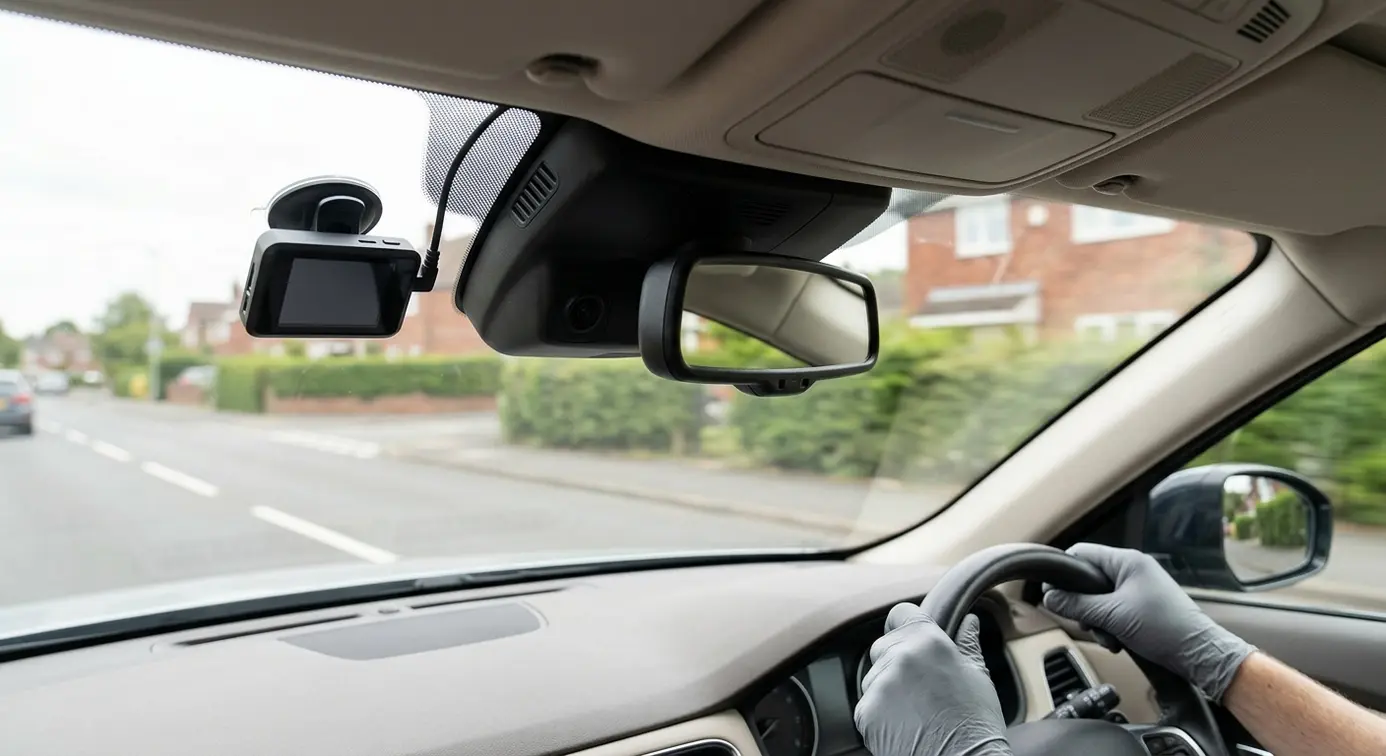
Dynamic calibration takes place on the road. The technician drives at specific speeds on a suitable route while the diagnostic tool guides the process using real‑world lane lines and traffic data. Some vehicles need one method; others require both in sequence. We always follow the manufacturer’s specification. Explore our process on the ADAS Camera Calibration page.
What Each Method Involves: Step‑By‑Step
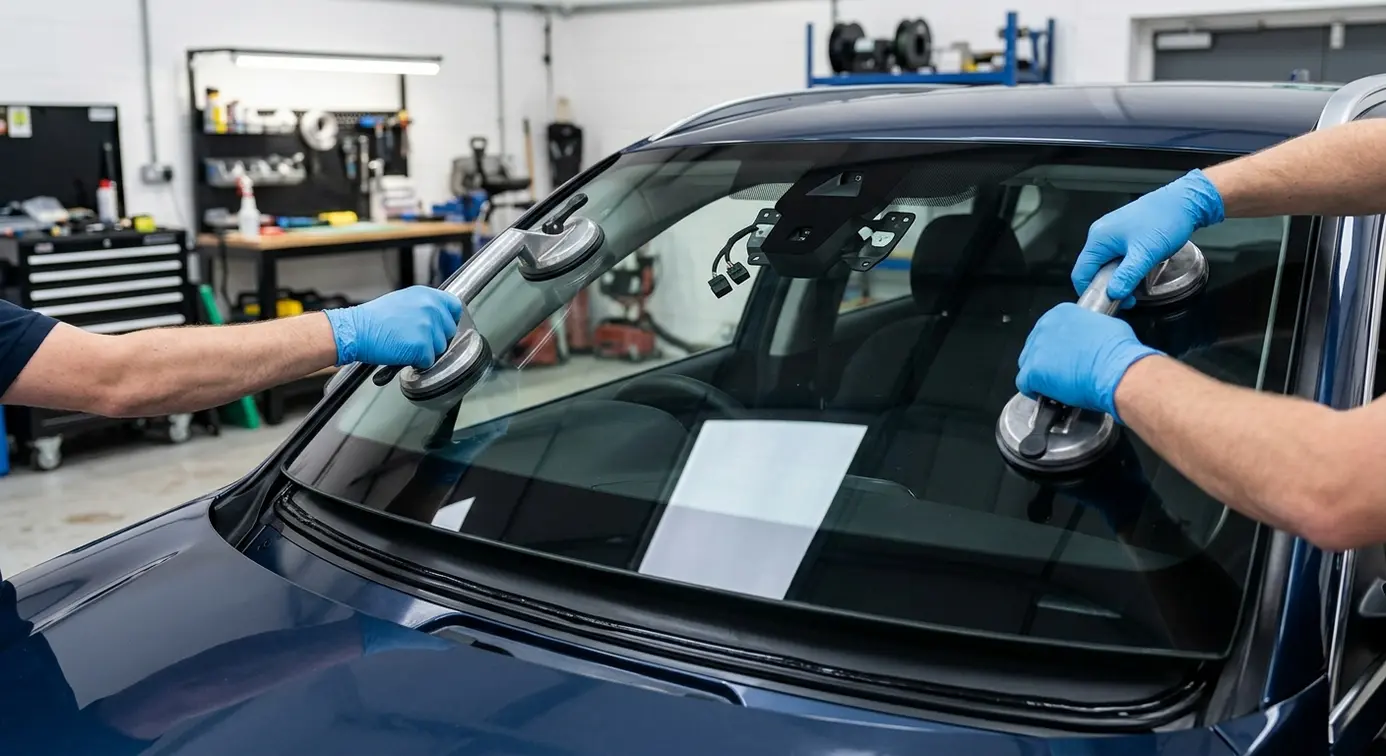
Before calibration we confirm the correct Pilkington glass is fitted, verify camera bracket alignment and allow Loctite adhesive to cure to the manufacturer’s standard. We also run a pre‑scan to record any fault codes.
- Static: set tyre pressures to spec, measure ride height, level the vehicle, set wheel alignment references if required, position OEM targets precisely and follow the approved software routine.
- Dynamic: drive at steady speeds within the stated range, on clear roads with good lane markings, while monitoring live data until calibration completes and confirms.
We finish with a post‑scan, safety checks and a digital or printed report. If you also need glass work, view our Windscreen Replacement service.
This image was generated with AI and may not always represent the product or service exactly.
How Your Vehicle Determines the Right Method
The correct approach is set by the make, model and sensor suite. A camera‑only system may specify static, dynamic or both. Vehicles with radar, 360° cameras or lidar often need precise target layouts and extra checks. We always consult the latest OEM data before we start.
Glass specification matters too. Camera clarity depends on optical quality and the exact bracket position. We use high‑grade Pilkington glass to meet those needs. For cost transparency across repair and replacement decisions, see our Repair and Replacement Pricing Guide.
Why OEM Targets, Tooling and Environment Matter
Accuracy relies on certified targets, up‑to‑date diagnostic software and a stable environment. Our workshop provides a level floor, controlled lighting and correct distances and angles for consistent results you can trust.
Incorrect targets or poor set‑up can cause misalignment, warning lights and reduced safety margins. Our investment in the right equipment delivers accuracy, repeatability and a full audit trail on every job.
ATA‑Accredited Technicians and Quality Materials: Safety First
Our ATA‑accredited team follows strict procedures and ongoing training to stay current with OEM methods. We fit premium Pilkington glass for the correct optics and bracket position, supporting clear camera vision.
We use Loctite adhesives to manufacturer standards and allow the proper cure time before any calibration or road test. It’s a careful process designed for reliability, safety and honest value.
How We Choose Static vs Dynamic at Advanced Autoglazing Ltd
We verify the vehicle spec from the VIN, run a pre‑scan, then check the latest OEM instructions. Based on that data we recommend static, dynamic or a combined approach. We explain the plan and confirm timings before work begins.
For example, a city car with a single camera may need a static procedure. An SUV with camera and radar may require static first, then a dynamic drive. We aim for same‑day or next‑day turnaround where stock and schedules allow, without compromising safety.
This image was generated with AI and may not always represent the product or service exactly.
Timing, Costs and Insurance Support
Static calibration typically takes 45–90 minutes once adhesive has cured. Dynamic calibration usually needs 30–60 minutes of road driving, depending on traffic and weather. Some vehicles require both methods and a final test drive.
Price depends on vehicle type, sensor package and whether both methods are needed. Cutting corners risks safety and may cost more later. Many insurers cover calibration with a windscreen claim; we handle approvals and direct billing wherever possible. For duration details, see How Long Does ADAS Calibration Take?.
What to Expect on the Day
On arrival we confirm your booking, verify the glass specification and camera bracket, and complete a pre‑scan. We then carry out static calibration in our workshop or a dynamic road test as the OEM specifies.
When complete, we provide a post‑scan, calibration confirmation and a final safety check. You’re welcome to wait in our reception; we’ll advise timings up front. We only release the car once systems pass and the adhesive has cured to a safe standard.
Aftercare, Warning Lights and When to Return
After calibration, some systems may need a short, steady drive to self‑check. That’s normal. If you see dashboard warnings, notice steering pull, or your ADAS behaves oddly, stop and contact us for a prompt re‑check.
Your safety comes first at Advanced Autoglazing Ltd. We’ll investigate quickly and put it right.
FAQs
Can I drive immediately after a windscreen replacement?
Do not rely on ADAS until calibration is complete and confirmed. We’ll also confirm the safe drive‑away time for the adhesive before you set off.
How do you decide between static and dynamic calibration?
We use the manufacturer’s latest data for your exact model and sensor package. A VIN check and pre‑scan guide the method.
Do you offer mobile calibration?
Some dynamic calibrations can be completed after a workshop fitment. Static calibration needs a controlled environment, so we carry this out in our facility.
Will every windscreen change need ADAS recalibration?
Most ADAS‑equipped vehicles do. Even small changes in camera position or glass optics affect accuracy, so we always check OEM guidance.
What if the weather or traffic disrupts dynamic calibration?
We’ll rebook the road drive or complete a combined method if the OEM allows. We’ll keep you informed and prioritise safety over speed.
Do you provide proof of calibration?
Yes. You’ll receive a post‑scan and calibration report at handover, showing completed procedures and system status.
Ready to Book? Fast, Safe and ATA‑Accredited
Choose Advanced Autoglazing Ltd for precise ADAS calibration and quality glazing. Our ATA‑accredited technicians use OEM‑approved targets, Pilkington glass and Loctite adhesives. For clear pricing and a quick turnaround, request your Get a Quote today.


