
Mobile Vs Workshop ADAS Calibration: Which Is Safer And When?
You replace a chipped windscreen on a Monday and by Wednesday your lane-keep pulls you toward the kerb. That small shift in camera angle is enough to change how the car “sees” the road. If you manage a fleet, a single failed calibration can mean downtime and extra trips between sites.
This guide is for UK drivers, fleet managers and garages deciding between a mobile calibration visit or an in‑bay workshop job. In our experience, the right choice comes down to environment, vehicle complexity and safety checks. Read on for a simple decision framework, clear red flags, a quick checklist and what to expect at booking.
What Most People Get Wrong
A common issue we see is assuming any flat car park will do. Even small reflections, uneven ground or a bike rack on the roof can force a failed calibration or poor on-road behaviour. Preparation matters as much as convenience.
Mobile Vs Workshop Calibration: Quick Comparison
Mobile calibration comes to your home, workplace or yard. Workshop (in‑bay) calibration uses a fixed rig in a controlled environment. Both follow OEM methods, but the decision should be based on safety and the vehicle’s sensor suite, not convenience alone.
Some cars need static target work and a dynamic on‑road check. For background reading see what is ADAS and how it is calibrated, do I need to recalibrate my ADAS after a windscreen replacement and what happens if ADAS is not calibrated.
The Decision Framework: Environment, Vehicle And Safety Checks
Use these three checks before booking mobile calibration.
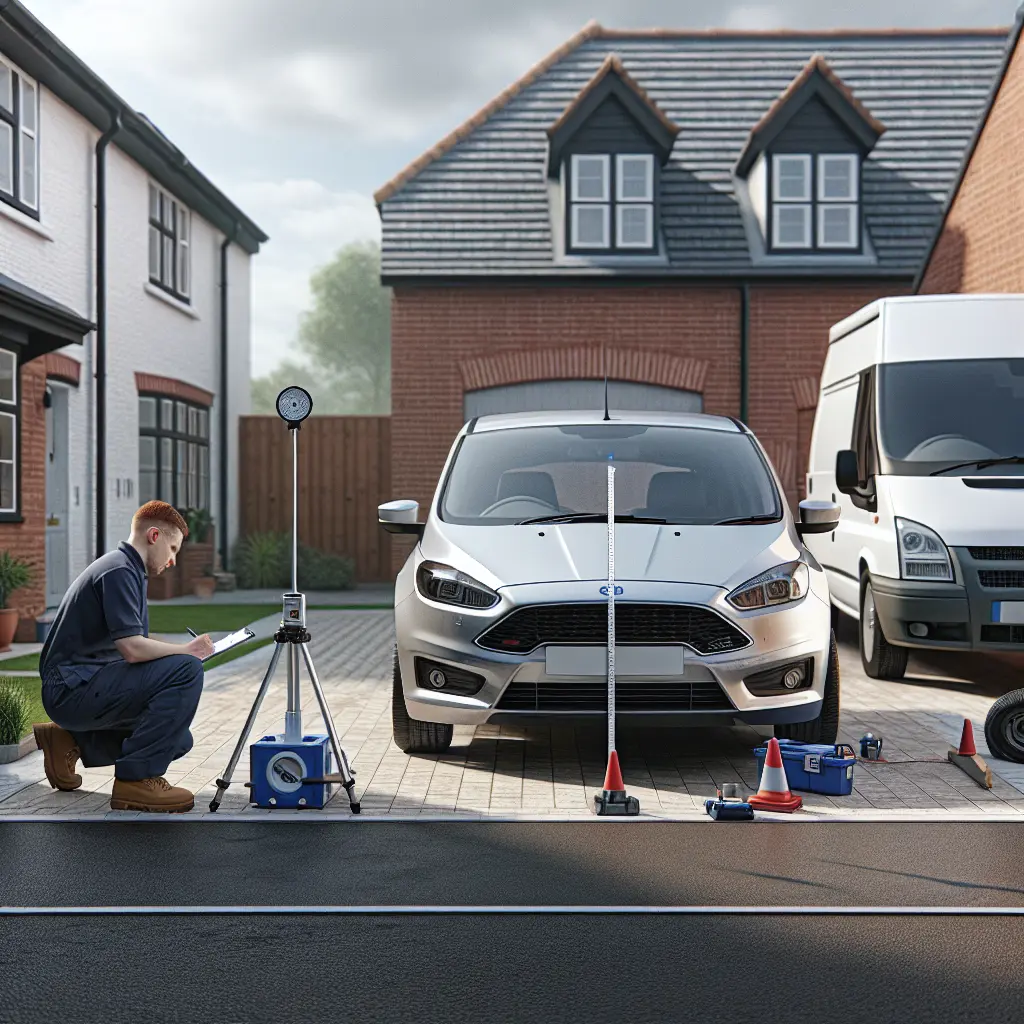
- Environment: 6–10 m clear in front, 3–5 m each side, near‑level surface, even lighting (300–1,000 lux), no strong reflections or heavy rain.
- Vehicle: OEM targets available, secure camera bracket, correct tyre pressures, no heavy loads changing ride height and current software.
- Operational Safety: battery support, a safe road‑test route with clear lane markings, and time to complete static and/or dynamic steps.
If any item fails, we recommend our workshop. Unsure? Check the areas we cover and contact us for guidance.
This image was generated with AI and may not always represent the product or service exactly.
When Mobile Calibration Is Safe And Efficient
Mobile suits camera‑only systems and straightforward static setups, quiet driveways, industrial yards and covered car parks with even lighting. For fleets, mobile visits minimise vehicle movement and cut downtime. In our experience, well‑prepared sites deliver safe, efficient jobs.
Prepare the site by clearing 10 m ahead, removing roof boxes or bike racks, ensuring the vehicle is fuelled or charged for the road test and cleaning the windscreen inside and out. If alignment checks are needed, make wheel bolts accessible.
When Workshop Calibration Is The Safer Choice
Use the workshop for complex suites such as surround view, radar and lidar alignments, or when the manufacturer requires controlled lighting and floor reflectivity. We also prefer the workshop after collisions, suspension or steering work, or if a camera bracket or windscreen alignment is in doubt.
When in doubt, choose in‑bay first to avoid repeat visits and ensure a documented verification road test.
Space, Lighting And Target Placement: The Non‑Negotiables
Accurate setup is everything. We centre and square the car to the target, measure wheel‑to‑target distances and verify level to precise tolerances. Even a few millimetres or a small angle error can cause failure or unsafe ADAS behaviour.
Low sun angles, flickering LEDs, shiny floors and glass walls can all confuse cameras. Our technicians use calibrated targets, lasers and plumb lines and will pause and advise a workshop appointment if conditions are unsuitable.
Static Vs Dynamic Calibration And The Verification Road Test
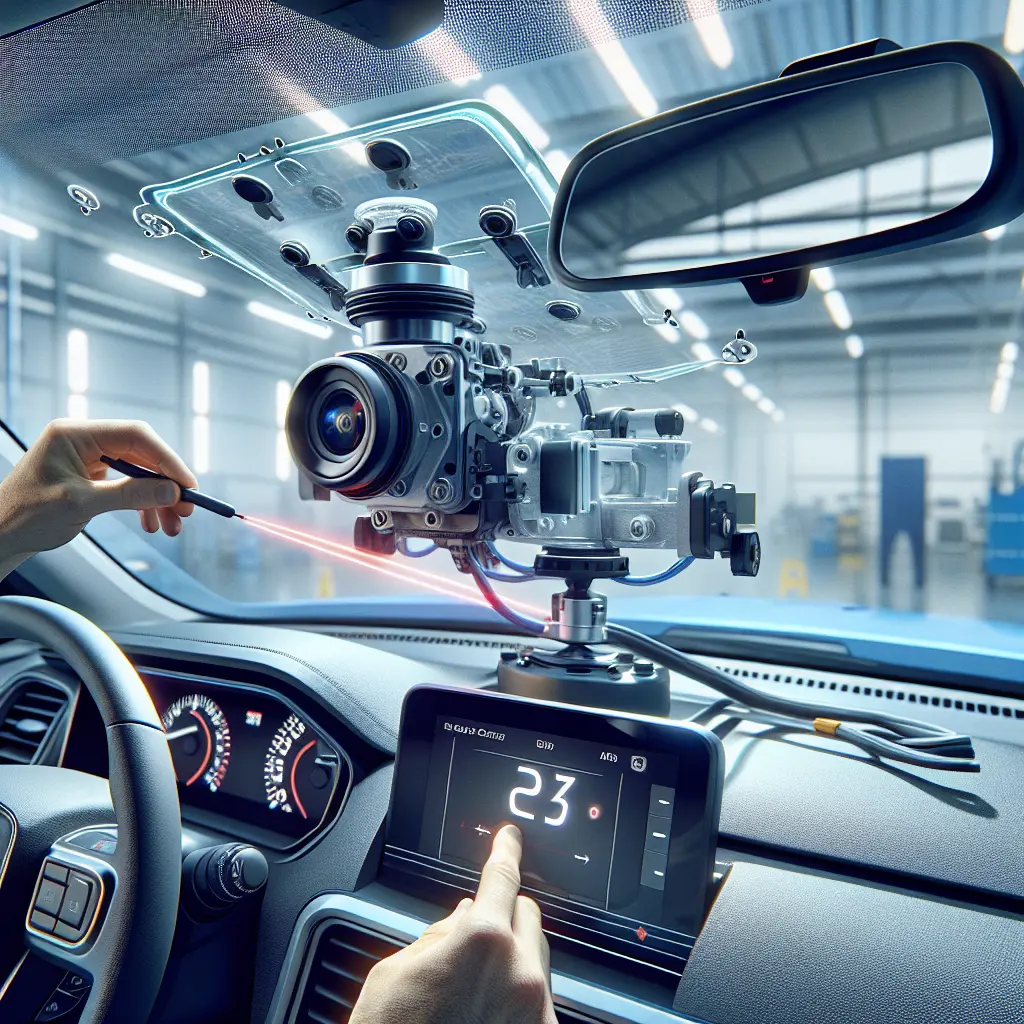
We begin with a pre‑scan and battery support to protect electronics. Static calibration aligns cameras or radar to a target rig; dynamic calibration verifies performance on the road to OEM speed and lane requirements. Some vehicles require both steps.
After completion we carry out a post‑scan and a documented road test and issue a calibration certificate for your records and insurer. Times vary by vehicle and method—see how long ADAS calibration takes for planning.
This image was generated with AI and may not always represent the product or service exactly.
Glass, Adhesives And Fit: Why Materials Matter
Correct glass, genuine‑style camera brackets and proper adhesives keep camera geometry stable. A smeared screen or loose bracket will distort images and can invalidate the calibration. If we spot fit or finish issues, we fix them before proceeding.
Red Flags That Move Jobs To The Workshop
We will transfer a mobile job to the workshop if any of the following apply.
- Active ADAS fault codes or warning lights.
- Cracked, misaligned or contaminated camera brackets or windscreens.
- Heavy boot/roof load or incorrect tyre pressures altering ride height.
- Insufficient space, uneven ground, harsh glare, high winds or heavy rain.
These problems can cause failed calibration or risky system behaviour. Learn more about consequences at what happens if ADAS is not calibrated and do I need to recalibrate my ADAS after a windscreen replacement.
Time, Cost And Booking: Safety Without Delay
Most static calibrations take 45–90 minutes; dynamic tests add 20–45 minutes depending on traffic. We aim for quick turnarounds, often same or next day, subject to location and conditions. We offer honest pricing and ATA‑accredited technicians—see our insurance billing for automotive glazing for billing options.
When booking, confirm location, lighting, space, vehicle access, fuel/charge state and a suitable road‑test route. For full timing details see how long ADAS calibration takes.
Why Choose Advanced Autoglazing Ltd For ADAS Calibration
In our experience, consistent results come from current software, calibrated rigs and experienced technicians. Advanced Autoglazing Ltd uses quality materials and issues a calibration certificate for peace of mind. Choose mobile convenience or our controlled workshop—either way we explain each step and prioritise safety.
Quick Checklist
- 6–10 m clear in front, 3–5 m each side, near level surface
- Even lighting, no glare or reflections
- No roof boxes or heavy loads; correct tyre pressures
- Vehicle fuelled/charged and accessible for road test
When This Doesn’t Apply
If your vehicle has radar, lidar or a surround‑view suite, or if the car has been in a recent collision or had suspension work, mobile calibration is often unsuitable—book a workshop appointment instead.
FAQs
How Do I Know If My Vehicle Needs ADAS Calibration?
If the windscreen or camera has been replaced, a camera removed/refitted, steering or suspension work done, wheel alignment changed, or if fault codes appear, the vehicle will usually need calibration. We advise a pre‑scan if unsure.
Should I Choose Mobile Calibration To Reduce Fleet Downtime?
Yes, where sites meet space and lighting checks. For complex sensor suites or uncertain sites, send the vehicle to the workshop to avoid repeat visits.
Will My Insurer Accept A Mobile Calibration Certificate?
Most insurers accept a documented certificate. We can invoice many insurers direct—see our insurance billing for automotive glazing for details.
What Should I Do If An ADAS Warning Appears After Calibration?
Stop relying on ADAS and contact us. We’ll re‑scan fault codes and, if needed, complete a verification road test or move the vehicle to our workshop.
Can You Calibrate Vans And Commercial Vehicles?
Yes. We support many vans and commercial vehicles. If site conditions don’t meet requirements we invite the vehicle to our workshop to ensure safety.


