ADAS Calibration And Safety Basics
You bring your car back from a windscreen replacement and the lane‑keep assist warns intermittently on the motorway. That moment is exactly why ADAS calibration matters. If you drive in the UK, manage a fleet, or arrange repairs for customers, this guide tells you when calibration is required, which method to choose, and what to expect from Advanced Autoglazing Ltd.
In our experience, a common issue we see is technicians attempting dynamic checks where an OE static procedure is required — that can leave features misaligned. This article explains static versus dynamic calibration, the workshop conditions that give repeatable accuracy, and quick decision steps so you book the right service first time.
Static Versus Dynamic Calibration: Key Differences
Static calibration is completed with the vehicle stationary using OE-specified target boards and precise measurements on a level floor. Technicians use scan tools to confirm camera and radar alignment to manufacturer tolerances.
Dynamic calibration is an on-road procedure where the system relearns references during a controlled drive. It needs clear lane markings, steady speed and suitable weather. Many cars require both methods. For realistic timing, see how long ADAS calibration takes and our ADAS camera calibration service for typical slots and preparation.
Environment Requirements For Precision
Accuracy depends on the environment. Workshops provide a certified level floor, controlled lighting (no glare), and measured target distances. We check tyre pressures, fuel load, ride height and wheel alignment to OE settings before starting.
Avoid sloped drives, low sun, windy sites that move targets, nearby metal structures and clutter. If you’re in the UK and your driveway can’t meet these conditions, a workshop visit is the safer option.
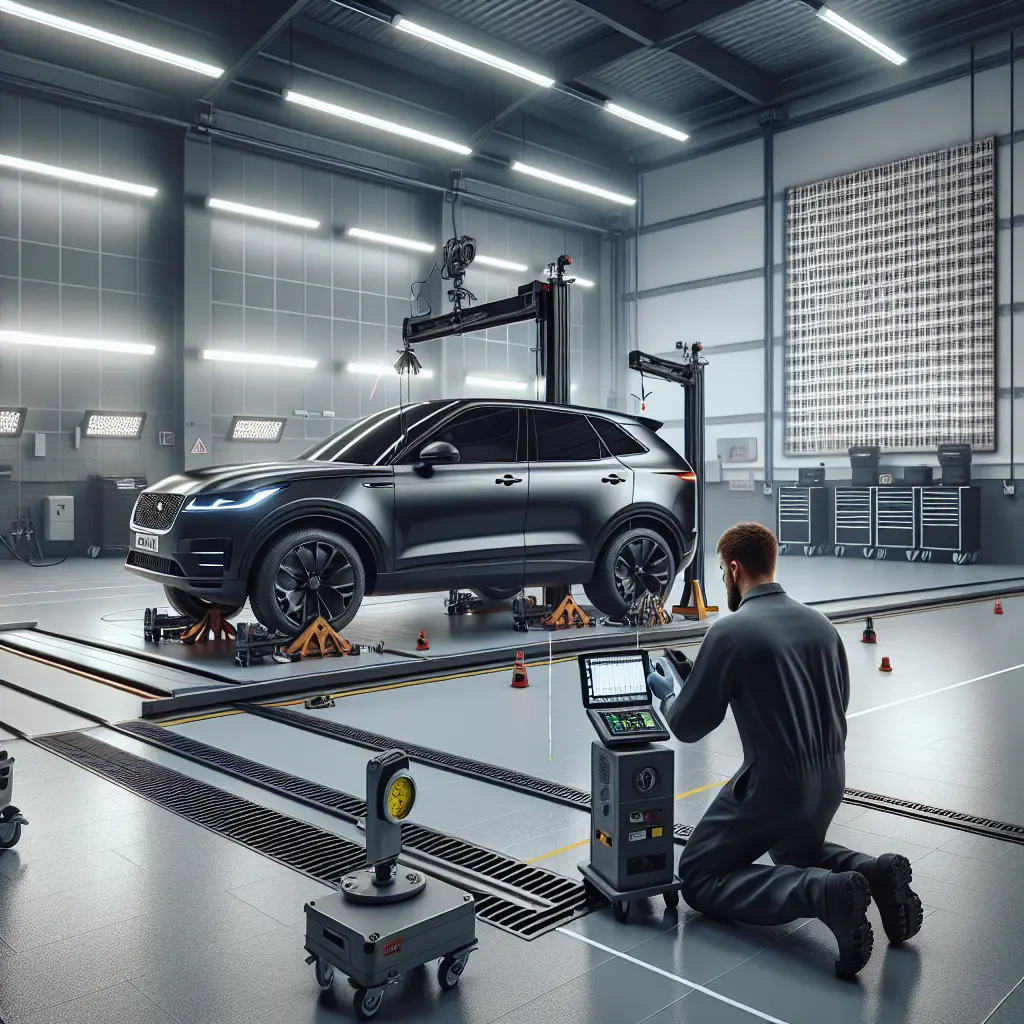
This image was generated with AI and may not always represent the product or service exactly.
Targets, Boards And Equipment Used
Camera systems rely on printed targets placed to millimetre accuracy; we use laser alignment tools for heights and distances. Radar alignment uses reflectors or Doppler simulators to set beam aim. Up-to-date OE data and authenticated software are essential — selecting the wrong vehicle profile in the tool causes common calibration failures.
Glass fitment changes camera geometry, so correct windscreen seating is the starting point. If you’ve had a new screen, see our guidance on whether you need to recalibrate your ADAS after windscreen replacement.
What Most People Get Wrong
Many assume a quick drive will sort alignment. A common mistake is skipping the static setup or using non‑OE targets — that can leave systems partially functional and create insurance or MOT complications. Always check the manufacturer procedure first.
Mobile Calibration: When It’s Safe And Effective
Mobile calibration is convenient and suitable when the vehicle supports dynamic-only procedures or when a site can meet static target requirements. In our experience, mobile works best for simple mono-camera systems that don’t need multi-sensor in-bay checks.
- Site must be flat and level
- Clear 6–8 metres in front of the vehicle
- Uniform lighting with minimal reflections
- Space free from moving clutter and heavy shadows
If conditions aren’t met, we will recommend a workshop visit to ensure accuracy and safety. For practicality and timings, refer to our page on how long ADAS calibration takes.
Workshop Calibration: Highest Accuracy For Complex Systems
A controlled bay delivers the most repeatable results, especially for stereo cameras, combined camera‑radar units, night vision and prestige vehicles. Many manufacturers specify static calibration followed by a validation drive — workshop conditions eliminate environmental variables that compromise alignment.
Advanced Autoglazing Ltd offers ATA-accredited technicians, same-day or next-day slots, and clear written reports after completion.
After A Windscreen Replacement: The Correct Path
Correct glass fitment sets the camera geometry. We fit Pilkington glass and bond with Loctite adhesives to OE procedures so cameras sit where the manufacturer intended. Once adhesive reaches the safe drive-away status and the camera is refitted, we perform the required calibration sequence.
Most comprehensive insurance policies cover calibration as part of a windscreen claim; we can handle authorisation and billing — see our insurance billing for automotive glazing for details and common insurer requirements.
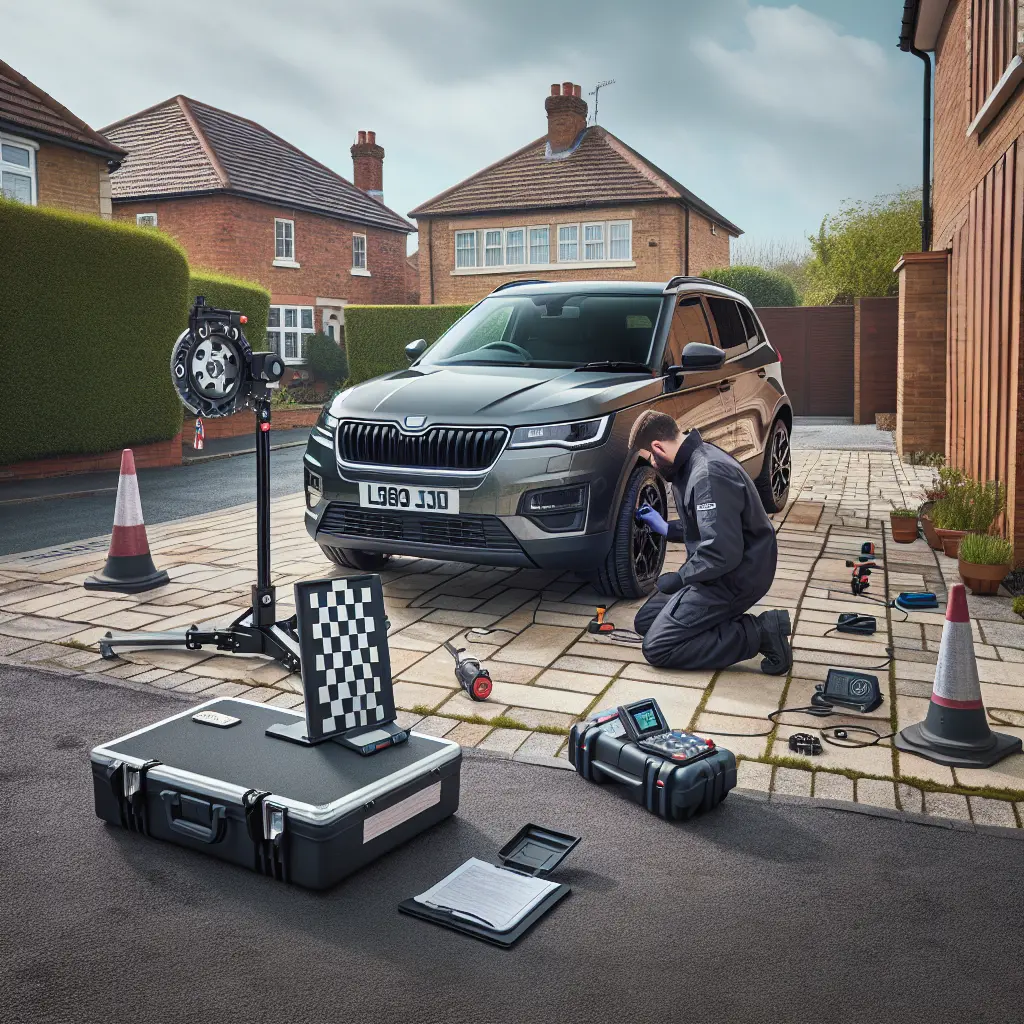
This image was generated with AI and may not always represent the product or service exactly.
Accuracy, Safety And UK Legal Points
Misaligned ADAS can increase stopping distances, generate false alerts, or limit features. Stored DTCs or warning lights may render systems inactive until calibration completes and that can affect insurability or MOT outcomes. If a warning appears after glass or body work, book promptly so we can restore correct function.
When This Doesn’t Apply
If your vehicle has no driver assistance systems or only very basic ultrasonic parking sensors, the detailed ADAS procedures described here won’t apply. Simple sensor checks or recalibration of mirrors may be sufficient instead.
How Advanced Autoglazing Ltd Ensures Precision
With 30+ years’ experience serving UK drivers, our ATA-accredited technicians follow OE-spec methods and maintain current data subscriptions. Our process includes documented pre-checks, controlled setup, validated software, and a printed calibration report for your records.
We also provide clear advice on whether a mobile visit is appropriate or a workshop is required, and we complete validation drives when manufacturers demand them.
Quick Decision Guide: Mobile Or Workshop?
- Mobile: suitable for simple camera-only systems and dynamic-only procedures, if site conditions meet the checklist.
- Workshop: recommended for stereo cameras, combined camera-radar, driver monitoring, multi-sensor or prestige vehicles.
- Not sure? Provide your registration and recent repair details and we will check OE data and advise the safest option.
Book Your ADAS Calibration
Have your registration, insurer details (if applicable) and notes of recent work such as windscreen, suspension or body repair ready. We handle paperwork and provide a printed calibration certificate. Start your booking or get a quote on our site.
FAQs
How Do I Choose Between Mobile And Workshop Calibration?
Check the vehicle’s OE procedure: if it requires static in‑bay targets or has multi-sensor systems, choose a workshop. If the OE procedure allows dynamic-only checks and your site meets the checklist, mobile may be appropriate. Contact us with your registration and we will confirm.
What Should I Do If An ADAS Warning Light Appears After Repairs?
Book calibration promptly. A warning light usually means the system needs recalibration or stored DTCs cleared after alignment. Delaying can limit safety features and affect insurance or MOT outcomes.
Will My Insurance Cover ADAS Calibration After A Windscreen Claim?
Many comprehensive windscreen policies include calibration. We can liaise with insurers and handle authorisation and billing — see our insurance billing for automotive glazing for common processes.
How Long Should I Allow For A Calibration Appointment?
Allow 45–90 minutes for most static procedures; dynamic validation drives add time depending on route and traffic. We confirm expected timing when you book. For typical durations see our guide on how long ADAS calibration takes.
What Proof Of Calibration Do I Receive For The MOT Or Insurer?
We issue a printed calibration report and can supply digital copies for insurers or warranty records. Keep this with your service history as manufacturers or insurers may request it.
Can You Advise Me Before I Book If My Vehicle Needs Calibration?
Yes. Provide your registration and details of recent repairs (windscreen, suspension, bodywork) and we will check OE data and recommend the safest, most efficient option. Start here to get a quote.


